
By Devin Jones April 26, 2026
Bric-à-brac shopping on a budget can be one of the most enjoyable ways to decorate, collect, gift, and explore personal style without spending too much. The charm is in the mix: a framed print with character, a ceramic bowl that feels handmade, a brass candlestick with a patina, a stack of old books, or a small side table that makes an empty corner feel finished.
The key is shopping with a plan. Without one, it is easy to buy too much, pay more than an item is worth to you, or bring home pieces that never quite fit your space. With a few practical habits, bric-à-brac shopping becomes less random and more rewarding.
This guide shares budget bric a brac shopping tips for beginners, collectors, decorators, resellers, and casual shoppers. You will learn how to set limits, compare value, inspect condition, spot affordable charm, and enjoy secondhand décor deals without turning your home into a storage room.
What Bric-à-Brac Shopping Really Means
Bric-à-brac usually refers to small decorative, collectible, vintage, secondhand, or curious household items. It can include ceramics, glassware, frames, books, lamps, textiles, kitchenware, figurines, baskets, trays, mirrors, small furniture, metalware, and unusual objects that add personality to a room.
The word often suggests charm rather than a strict category. A piece does not have to be rare, expensive, or antique to count. A small painted dish, a retro vase, a carved box, or a quirky bookend may all fall under the bric-à-brac umbrella.
Prices vary widely because sellers price items based on different factors. A thrift shop may price quickly to move inventory. An antique booth may price based on age, style, maker, rarity, or demand.
Estate sales may start high and discount later. Flea markets may leave room for negotiation. Online sellers may price based on what similar items are listed for, even when those items have not actually sold.
That is why affordable antique shopping requires patience and comparison. The same blue glass vase might cost a few dollars at a charity shop, much more at a curated vintage store, and somewhere in between at a weekend market.
For a helpful beginner overview, you can read this guide to bric-a-brac shopping before planning your own route.
Start With a Budget Before You Start Browsing
The easiest way to overspend is to begin shopping without a number in mind. Bric-à-brac is often priced low enough to feel harmless item by item, but small purchases add up quickly.
Set a total spending limit before you leave home. Then divide it into categories. For example, you might allow a set amount for décor, a smaller amount for gifts, and a “maybe” amount for one unexpected find. This keeps your choices flexible without letting the day get away from you.
A strong budget secondhand shopping guide starts with these questions:
- How much can I spend today without regret?
- Am I shopping for myself, gifts, decorating, collecting, or resale?
- What spaces at home actually need something?
- What categories should I avoid because I already own too many?
- What price would make me walk away?
A wish list is just as important as the budget. Write down what you are looking for: two small frames, a table lamp, a fruit bowl, a woven basket, or a pair of candlesticks. This does not mean you can never buy something unexpected. It simply gives your eye a job.
Take measurements before shopping. Measure shelves, tabletops, wall spaces, cabinet openings, and empty corners. Keep the numbers on your phone. Many budget shoppers make the mistake of buying a piece that looks small in a market but feels oversized at home.
How to Judge Value When Bric-à-Brac Shopping on a Budget

Good value is not always the lowest price. A very cheap item is still a poor buy if it is damaged beyond use, does not fit your style, or creates clutter. A slightly more expensive item may be worthwhile if it is sturdy, useful, beautiful, and something you will enjoy for years.
When comparing value, look at five things: price, condition, usefulness, style, and long-term enjoyment. These factors matter more than whether the item feels like a “deal” at the moment.
A $6 ceramic bowl with no chips, a pleasing shape, and daily use potential may be an excellent find. A $4 figurine that you do not really like may become clutter immediately. A $25 lamp could be a smart buy if it is well made, fits your room, and only needs a shade. The same lamp is less appealing if the wiring is questionable or the base is unstable.
Use this quick price evaluation guide while shopping:
| Item Type | Good Budget Buy | Think Twice | Usually Skip |
| Ceramics | No chips, useful size, appealing glaze | Tiny rim nick if decorative only | Cracks, heavy crazing with stains, sharp chips |
| Glassware | Clear, stable, no cloudiness | Single missing piece from a set | Cracks, cloudy dishwasher damage, rough rims |
| Frames | Solid corners, standard size | Needs new mat or backing | Broken joints, warped frame, missing hardware |
| Lamps | Stable base, clean socket, simple repair | Needs shade only | Frayed cord, flickering, burnt smell |
| Textiles | Cleanable, strong fabric | Minor fading | Odor, mildew, deep stains |
| Small Furniture | Sturdy, useful dimensions | Light scratches | Loose joints, pests, water damage |
| Metalware | Attractive patina, solid weight | Light tarnish | Deep rust, sharp corrosion, broken parts |
Cheap Vintage Shopping Tips by Category

Cheap vintage shopping tips work best when you know what to inspect in each category. Every item type has its own common flaws, value clues, and budget-friendly sweet spots.
Ceramics, Pottery, and Decorative Dishes
Ceramics are among the most common low-cost bric-à-brac finds. Look for bowls, small plates, planters, vases, pitchers, and handmade pottery. These pieces can add color and texture to shelves, coffee tables, kitchens, and entryways.
Check rims, handles, feet, and spouts carefully. Chips often hide along edges. Hold the piece under good light and run a finger gently around the rim. Avoid sharp chips, long cracks, or repairs that look messy or unstable.
Minor crazing can be acceptable on decorative pieces, especially if you like an aged look. However, stained crazing inside food-use bowls or mugs is less appealing. For kitchen use, prioritize clean surfaces and safe conditions.
Good budget buys include small studio pottery bowls, simple white pitchers, colorful planters, and decorative plates that can hang on a wall. Skip pieces that feel overpriced only because they look old.
Glassware, Vases, and Tabletop Pieces
Glassware can be affordable and beautiful, but condition matters. Look for vases, candy dishes, drinking glasses, candleholders, serving bowls, and small trays. Clear glass, colored glass, pressed glass, and etched pieces can all work well in budget decorating.
Check for chips around rims and bases. Hold glass up to the light to spot cracks, cloudiness, or scratches. Cloudy dishwasher damage usually cannot be fixed, so avoid it unless the price is extremely low and the piece is only for display.
Single glasses can still be useful. They can hold flowers, pencils, makeup brushes, or small collections. Do not reject an item only because it is not part of a full set.
Vintage finds on a budget often come from overlooked singles. One amber vase, one etched tumbler, or one small glass dish can bring just as much charm as a complete collection.
Frames, Art, Books, and Paper Goods
Frames are excellent for thrift shopping on a budget because the frame itself may be more valuable to you than the art inside. Look for wood frames, brass-toned frames, carved details, shadow boxes, and standard sizes that are easy to reuse.
Inspect corners and backs. Loose corners can sometimes be repaired, but warped frames are harder to fix. Check whether hanging hardware is present. Missing hardware is not a dealbreaker, but it should affect the price.
Old books can add warmth to shelves and tabletops. Choose books for color, subject, binding, or display value. Avoid books with mildew odor, heavy water damage, or pages that are crumbling badly.
For more collecting ideas, this article on hidden collectibles and vintage décor finds offers useful category inspiration.
Lamps, Small Furniture, and Useful Home Pieces
Lamps and small furniture can be some of the best secondhand décor deals, but they require careful inspection. A lamp with a great shape can transform a room, while a small stool, side table, plant stand, or shelf can solve a practical problem.
For lamps, check stability first. The base should sit flat without wobbling. Look for cracks, loose parts, burnt smells, damaged cords, or flickering. When in doubt, plan for rewiring and include that cost in your budget.
For small furniture, press gently on joints and legs. Wobbling, splitting, water rings, peeling veneer, or musty drawers can turn a cheap find into a project. Some scratches are fine, especially on solid wood, but structural problems are different.
A good rule: cosmetic flaws are negotiable; safety flaws are not. A scratched side table may be charming. A chair with loose joints is not a bargain unless you know how to repair it properly.
Affordable Antique Shopping Without Paying Antique-Shop Prices
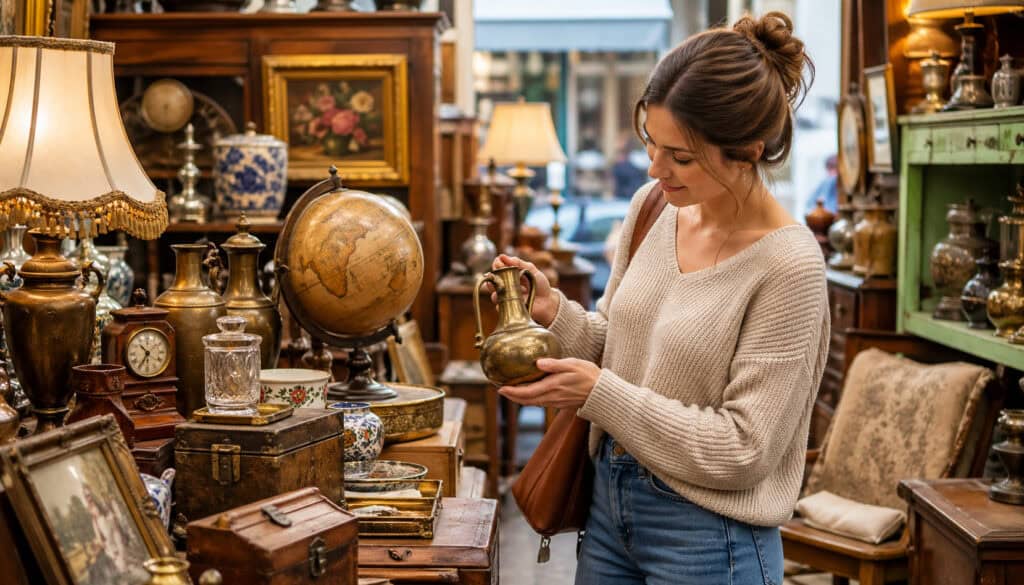
Affordable antique shopping is possible when you understand what makes a price fair. Antique does not automatically mean expensive, and expensive does not automatically mean special. Many older household objects were mass-produced, and many still survive in large numbers.
Start by separating age, quality, rarity, and demand. Age means an item has been around for a long time. Quality means it was well made. Rarity means fewer examples are available. Demand means other buyers currently want it. A fair price usually reflects some combination of these, but not all old items have all four.
Look for signs of quality: solid materials, good proportions, hand-finished details, smooth joinery, sturdy weight, clean decoration, and practical design. In ceramics, look at glaze quality and shape. In furniture, look for solid construction. In metalware, look for weight and crisp details.
Be careful with trend-driven pricing. Some items become expensive because they are popular in decorating videos, not because they are rare or especially well made. If you love the piece and can afford it, that may be fine. But if your goal is bargain antique shopping, do not let trends set your entire budget.
Compare prices quickly when needed. Search for similar sold items, not just listed items. Asking prices show what sellers hope to receive. Sold prices are a better clue to what buyers actually paid.
How to Inspect Condition Before You Buy
Condition is one of the biggest budget protectors. A careful inspection can save you from bringing home items that are unsafe, unusable, or too costly to repair.
Hold each item in your hands when allowed. Turn it over. Look underneath. Open drawers, lids, and clasps. Smell textiles, books, and furniture. Check seams, joints, rims, cords, hinges, and fasteners.
Common issues to watch for include:
- Chips, cracks, or sharp edges
- Stains, mildew, odors, or water damage
- Missing lids, knobs, screws, cords, or parts
- Loose joints or wobbling legs
- Frayed wiring or damaged sockets
- Fading, sun bleaching, or brittle fabric
- Rust, corrosion, or flaking metal
- Poor repairs, glue marks, or mismatched parts
Minor flaws can be acceptable when the item is decorative, cheap, and still attractive. A tiny chip on the underside of a planter may not matter. Light tarnish on brass can add character. A worn book spine may look beautiful on a shelf.
Dealbreakers are different. Avoid strong mildew odor, active rust that weakens the object, cracked glass rims, unstable furniture, questionable electrical parts, and anything that seems unsafe. Also skip items needing repairs that cost more than buying a better version later.
Thrift Shopping on a Budget: Smart Habits That Work
Thrift shopping on a budget rewards consistency more than luck. You do not need to find something every time. In fact, leaving empty-handed is a sign of discipline when nothing fits your needs.
Visit regularly if you can. Inventory changes often, and frequent short visits are usually better than rare marathon trips. Shop off-peak when stores are calmer, shelves are easier to browse, and you can inspect items without pressure.
Learn local discount patterns. Some shops have tag sales, senior days, student discounts, clearance shelves, or seasonal markdowns. Estate sales may reduce prices later in the sale. Flea market sellers may be more flexible near closing, though the best items may be gone by then.
Ask polite questions. You can ask whether a price is firm, whether discounts apply, whether an item has been tested, or whether there are more pieces in the back. Keep the tone friendly and respectful. A kind question often gets better results than aggressive bargaining.
Use a “maybe” list. Take photos of items you are considering, along with the price tag and location in the store. Step away, compare, and return only if the item still makes sense.
For more route-planning ideas, this guide to affordable vintage finds includes useful tips on balancing curated shops, thrift stops, and markets.
Shop With a Purpose, Not Just a Mood
Bric-à-brac shopping is most satisfying when you know why you are shopping. Purpose keeps your purchases focused while still leaving room for discovery.
If you are decorating shelves, look for varied heights, textures, and shapes. A stack of books, a small framed picture, a ceramic vessel, and one sculptural object can create more impact than ten unrelated trinkets.
If you are building a collection, define your boundaries. You might collect only blue-and-white pottery, brass animals, botanical prints, miniature boxes, or vintage kitchen tins. Boundaries make collecting more enjoyable and prevent every attractive object from feeling like it belongs.
If you are buying gifts, think about the recipient’s taste and lifestyle. A charming dish, small vase, unusual book, or framed print can feel personal without being expensive. Avoid items that require special care unless the person enjoys that.
If you are sourcing resale inventory, be realistic. Do not assume every old item has profit potential. Factor in condition, cleaning, photography, storage, platform fees, shipping risk, and how long the item may sit before selling. Buy only what you understand well enough to price confidently.
Budget Finds Worth Considering
Smart budget finds are often useful, attractive, and easy to place at home. They do not require major repairs or a perfect matching set.
Good examples include:
- A small ceramic bowl for keys, jewelry, or fruit
- A sturdy basket for blankets, magazines, or entryway storage
- A vintage frame that fits a print you already own
- A glass vase in a shape you will actually use
- A brass tray for candles, perfume, or barware
- A stack of old books in colors that suit your shelves
- A simple side table with solid legs and clean lines
- A clean textile that can become a table runner or pillow cover
Purchases to avoid include items that are only appealing because they are cheap. A cracked vase, a musty suitcase, an unstable chair, or a novelty object that does not suit your home can become a burden quickly.
Also be cautious with incomplete sets. Missing pieces are fine if you can use what remains. They are a problem if the item only works as a set. Four mismatched dessert plates may be charming. A teapot without a lid is usually less practical unless you plan to use it as a planter.
The best low-cost bric-à-brac finds earn their place. They solve a need, add beauty, tell a story, or bring genuine enjoyment.
Research Prices Without Getting Misled
Quick research can help you avoid overpaying, especially with unfamiliar items. Use your phone to search comparable pieces by material, shape, maker, pattern, and approximate size.
Look for sold prices when possible. Listed prices can be unrealistic. A seller may ask a high amount for months without finding a buyer. Sold results show stronger evidence of actual market interest.
Compare conditions carefully. A pristine item with its original box is not the same as a chipped one. A signed piece is not the same as an unsigned lookalike. A complete set is not the same as a single piece.
Do not spend your whole shopping trip researching every object. For inexpensive items you simply love and will use, your personal value matters most. Research is most helpful when the price is high for your budget, the seller is making a strong claim, or you are buying for resale.
Styling Budget Bric-à-Brac at Home Without Creating Clutter
The goal of bric-à-brac shopping is not to cover every surface. A few thoughtful pieces can make a home feel layered, warm, and personal. Too many small items can make even beautiful finds feel chaotic.
Start by grouping items by color, material, shape, or theme. A brass candlestick, a small framed print, and a warm-toned book can look intentional together. Random objects scattered across every shelf may look accidental.
Use negative space. Empty space helps each piece stand out. If a shelf feels crowded, remove one-third of the items and see whether the arrangement improves.
Rotate pieces seasonally. You do not have to display everything at once. Store a few small items and swap them when you want a fresh look. This keeps your home interesting without requiring constant buying.
Give every piece a job. A tray can gather small items. A bowl can hold keys. A vase can hold flowers. A basket can hide clutter. Decorative items are easier to justify when they also help the room function.
For more inspiration, explore these vintage and thrift shopping tips before styling your own secondhand finds.
Common Budget Bric-à-Brac Shopping Mistakes
One of the most common mistakes is buying too much because prices are low. A low price can make an item feel urgent, but there will always be more secondhand goods. You do not need to rescue every charming object.
Another mistake is assuming old means valuable. Many old items are common. Some are damaged, incomplete, or out of demand. Buy old pieces because they are useful, beautiful, meaningful, or fairly priced, not because age alone seems impressive.
Skipping measurements is another costly habit. Lamps, frames, small tables, and mirrors can look different in a store than they do at home. Measure first and avoid guessing.
Ignoring condition can also erase your savings. A cheap chair that needs professional repair may become expensive. A smoky textile may never smell clean. A chipped drinking glass may be unsafe.
Finally, watch out for trend pressure. If everyone suddenly wants a certain style, prices may rise quickly. Ask whether you truly love the item or whether you are reacting to popularity.
Step-by-Step Budget Secondhand Shopping Guide
A practical budget secondhand shopping guide can make each trip easier. Use this simple process before, during, and after shopping.
Before You Go
Set your spending limit and write a short wish list. Check your home first so you do not buy duplicates. Measure spaces where new pieces might go. Take photos of shelves, walls, tables, and rooms you are decorating.
Bring a small tape measure if you are shopping for frames, lamps, furniture, or baskets. If useful, bring cash in small bills for markets or estate sales, but do not carry more than you are willing to spend.
Decide your dealbreakers in advance. For example, you might avoid strong odors, damaged wiring, large repair projects, or anything that cannot be cleaned easily.
While You Shop
Walk the store once without picking up too much. Notice categories, prices, and condition. Then return to the areas that match your list.
Inspect each item carefully. Check the bottom, back, inside, and edges. Compare similar items in the same shop. A $12 vase may seem fair until you find a better one for $6 two shelves away.
Use your phone for quick research when needed. Take photos of maybes. Step away before making final decisions. If you still want the item after a pause, it is more likely to be a thoughtful purchase.
After You Get Home
Clean items gently before styling or storing them. Remove price tags carefully. Wash washable pieces, dust frames, air out books, and check furniture again in better light.
Place the item where you intended to use it. If it does not work, decide quickly whether to gift, donate, resell, or repurpose it. Do not let mistakes become permanent clutter.
Track your best finds and regrets. Over time, this teaches you what you actually use and what you only admire in the store.
Frequently Asked Questions
What is the best way to start bric-à-brac shopping on a budget?
Start small by choosing one category, such as frames, bowls, baskets, or lamps, and set a firm spending limit before you shop. This helps you stay focused, learn typical prices, and avoid buying too many random items at once.
How do I know if a secondhand item is overpriced?
Compare the item with similar pieces in the same shop, nearby stores, and online sold listings when possible. Pay attention to condition, size, material, maker, completeness, and usefulness before deciding whether the price is fair.
Are minor chips or flaws always bad when buying bric-à-brac?
Minor flaws are not always bad, especially on decorative pieces where the damage is hard to notice and the price reflects the condition. However, sharp chips, structural cracks, strong odors, unstable furniture, or electrical problems should usually be avoided.
What should I avoid buying secondhand?
Avoid items with strong mildew or smoke smells, unsafe wiring, active pests, severe water damage, cracked drinking rims, unstable legs, or repairs you are not prepared to handle. Also avoid anything you are buying only because it is cheap.
How often should I go thrift shopping for the best bric-à-brac finds?
Regular short visits often work better than rare long shopping trips because secondhand inventory changes frequently. Visiting regularly also helps you understand normal prices and recognize better deals when they appear.
Can bric-à-brac be good for resale?
Bric-à-brac can sometimes be suitable for resale, but profit is never guaranteed. Consider condition, demand, cleaning time, platform fees, storage, packing, and shipping before buying anything specifically to resell.
How do I keep budget bric-à-brac finds from making my home look cluttered?
Display fewer pieces at one time and group them by color, material, shape, or theme. Use trays, shelves, baskets, and books to create structure, and rotate pieces seasonally instead of displaying everything at once.
Conclusion
Bric a brac shopping on a budget is not about buying the cheapest things you can find. It is about choosing well. The best finds are affordable, useful, charming, and right for your home, collection, gift plan, or resale goals.
Shop with a list, set a clear limit, inspect condition, compare value, and give yourself permission to walk away. There will always be more shelves to browse, more markets to visit, and more secondhand décor deals waiting somewhere else.
When you balance price, quality, usefulness, style, and long-term enjoyment, budget bric-à-brac shopping becomes creative instead of chaotic. You bring home fewer things, but better ones—and that is what makes the hunt worthwhile.